
Utagba-Ogbe Chiefs Ban Political Campaigns Over Power Crisis, Marginalization
- Politics
- April 22, 2026
- 1 Views
- 0 Comments
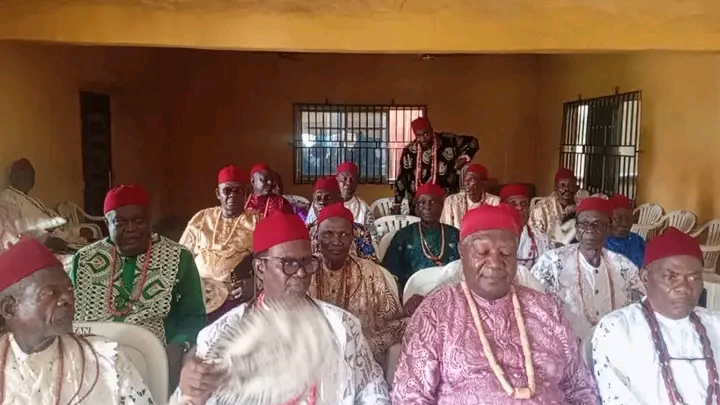
Kwale, Delta State — The Utagba-Ogbe Council of Chiefs and Elders, alongside the Utagba-Ogbe President General, has issued a strong directive banning all forms of political campaigns within Kwale and the entire Utagba-Ogbe Kingdom until key demands of the Ndokwa people are addressed.
In a press statement released on Wednesday, the traditional leadership expressed deep frustration over what it described as decades of neglect, exploitation, and systemic marginalization of Ndokwa Nation, despite its significant contributions to Nigeria’s economy.
The council particularly highlighted the continued lack of electricity in Kwale, even as the community hosts a major Independent Power Plant (IPP). According to the statement, for over 16 years, residents have lived without power supply, while electricity generated from their land is transmitted to other parts of the country, including Obosi and the Federal Capital Territory.
“This is not only an injustice but an insult to the Ndokwa people,” the statement read.
The leaders also pointed to the presence of more than eight oil and gas companies operating in Ndokwa land for over six decades, noting that the region has little to show in terms of infrastructure, social amenities, or meaningful development.
“Our roads are in deplorable condition, our communities remain underdeveloped, and our people continue to be ignored,” the council stated.
As part of their demands, the chiefs and elders called on the government to take immediate and concrete steps toward ensuring electricity is stepped down within Ndokwa Nation. They insisted that the government must fully finance the necessary infrastructure required to provide stable power to the host communities.
The statement made it clear that no political activities, including campaigns by aspirants and political parties, would be tolerated in the area until visible and measurable progress is made.
“Ndokwa people will no longer accept promises or political rhetoric. What we demand is action,” the council emphasized.
Describing the situation as no longer “business as usual,” the leaders warned that the patience of the people has been overstretched. They, however, reaffirmed their commitment to pursuing their demands within the bounds of the law.
The statement concluded with a call to accountability, noting that history and posterity would judge the actions or inactions of all stakeholders at this critical time.
The development is expected to heighten political tension in the Ndokwa axis ahead of upcoming political activities, as stakeholders react to the firm stance taken by the traditional institution.
In a press statement released on Wednesday, the traditional leadership expressed deep frustration over what it described as decades of neglect, exploitation, and systemic marginalization of Ndokwa Nation, despite its significant contributions to Nigeria’s economy.
The council particularly highlighted the continued lack of electricity in Kwale, even as the community hosts a major Independent Power Plant (IPP). According to the statement, for over 16 years, residents have lived without power supply, while electricity generated from their land is transmitted to other parts of the country, including Obosi and the Federal Capital Territory.
“This is not only an injustice but an insult to the Ndokwa people,” the statement read.
The leaders also pointed to the presence of more than eight oil and gas companies operating in Ndokwa land for over six decades, noting that the region has little to show in terms of infrastructure, social amenities, or meaningful development.
“Our roads are in deplorable condition, our communities remain underdeveloped, and our people continue to be ignored,” the council stated.
As part of their demands, the chiefs and elders called on the government to take immediate and concrete steps toward ensuring electricity is stepped down within Ndokwa Nation. They insisted that the government must fully finance the necessary infrastructure required to provide stable power to the host communities.
The statement made it clear that no political activities, including campaigns by aspirants and political parties, would be tolerated in the area until visible and measurable progress is made.
“Ndokwa people will no longer accept promises or political rhetoric. What we demand is action,” the council emphasized.
Describing the situation as no longer “business as usual,” the leaders warned that the patience of the people has been overstretched. They, however, reaffirmed their commitment to pursuing their demands within the bounds of the law.
The statement concluded with a call to accountability, noting that history and posterity would judge the actions or inactions of all stakeholders at this critical time.
The development is expected to heighten political tension in the Ndokwa axis ahead of upcoming political activities, as stakeholders react to the firm stance taken by the traditional institution.
Ejikeme Augustine Eloka
Founder & Lead Publisher: A website developer and community builder with a heart for local development and communication. Augustine oversees the overall direction, editorial policy, and partnerships for Kwale Post.
Comments (0)
Please login to comment.