

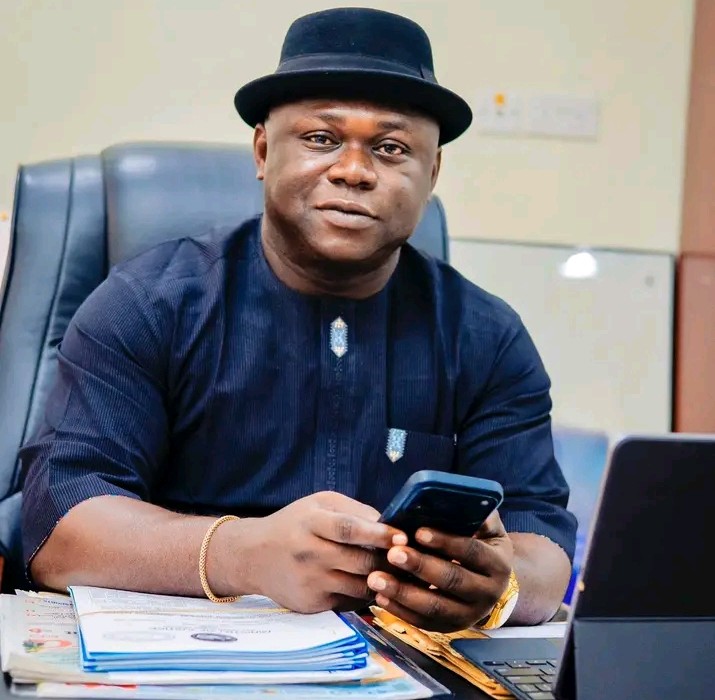
Power Portfolio, Heavy Burden: Anoka and the Litmus Test of Lighting Up Ndokwa
- Editorial
- January 15, 2026
- 0 Comments

The appointment of Micheal Ifeanyi Anoka as Delta State Commissioner for Power and Energy comes at a time when patience in Ndokwa land has worn dangerously thin. For a people who host one of Nigeria’s most strategic power assets the Okpai Independent Power Plant (IPP) yet remain submerged in darkness, this appointment is not ceremonial. It is consequential. It is a heavy burden that will define Anoka’s public service legacy.
Power is not a theoretical concept in Ndokwa. It is the lifeline of commerce, healthcare, education, and security. Its absence has crippled small businesses, chased away investors, and deepened poverty in communities that should have been energy hubs. The irony of hosting a gas power plant while living in near-total blackout has become a symbol of long-standing neglect and failed governance.
Mr. Anoka inherits this painful contradiction. As Commissioner for Power and Energy, he cannot afford the comfort of policy speeches or technical explanations divorced from reality. His office now carries the responsibility of confronting the prolonged underperformance and step-down challenges surrounding the Okpai IPP and the wider failure to translate power generation into usable electricity for host communities.
This appointment is therefore a litmus test one that will either restore confidence or deepen cynicism. Ndokwa people want answers: Why has Okpai not delivered consistent power locally? What concrete steps will be taken to ensure that electricity generated in Ndokwa serves Ndokwa? How soon will businesses, homes, hospitals, and schools feel the impact of this new leadership?
Beyond questions, the expectations are urgent and clear. There must be transparency about the current operational status of the Okpai IPP. There must be deliberate engagement with federal agencies, power generation and transmission companies, and distribution companies to remove the bottlenecks that keep Ndokwa in darkness. There must also be a firm political will to prioritize host communities in power allocation and infrastructure development.
Governor Sheriff Oborevwori’s decision to entrust this sensitive portfolio to Anoka will be judged not by intentions but by outcomes.
Appointments only gain legitimacy when they translate into improved living conditions for the people. If Ndokwa remains in darkness while power continues to flow out of its soil, then this appointment will be remembered as another missed opportunity.
Kwale Post believes that leadership is proven at moments like this. The power sector is complex, yes—but complexity must not become an excuse for inertia. What Ndokwa demands is not miracles, but measurable progress: restored lines, improved supply, realistic timelines, and honest communication.
The power portfolio is heavy, and the burden before Micheal Ifeanyi Anoka is even heavier. To light up Ndokwa is to unlock its economy, restore dignity to its people, and correct a long-standing injustice. Failure, on the other hand, will only reinforce the painful narrative that Ndokwa hosts national assets without national or state consideration.
History has drawn the line clearly. Anoka now stands on it. Lighting up Ndokwa is no longer a promise it is the test.
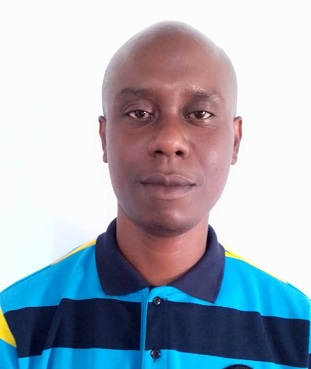
Ejikeme Augustine Eloka
Founder & Lead Publisher: A website developer and community builder with a heart for local development and communication. Augustine oversees the overall direction, editorial policy, and partnerships for Kwale Post.
Comments (0)
Please login to comment.